A North Texas summer exposes weak roofs fast. Sun beats down for ten to twelve hours a day. Temperatures on a dark roof can jump to 160–190°F by midafternoon. Shingles dry out. Seams move. AC systems strain. Energy bills spike. That is https://nyc3.digitaloceanspaces.com/dfw-commercial-roofer/energy-efficient-roofing/cool-roof-systems.html why roof choice matters more here than in milder regions. For Rockwall homeowners and commercial property managers, cool roof systems and energy efficient roofing are not just upgrades; they are practical tools to control interior comfort and long-term costs.
This article explains how reflective roofing works, who benefits most, and where it fits on homes and commercial properties in Rockwall, TX. It gives clear guidance, shares real trade-offs, and shows what SCR, Inc. General Contractors recommends based on field experience across Rockwall County.
Heat is a roof’s main enemy in North Texas
Heat does more than make a building uncomfortable. It accelerates wear. UV radiation breaks down asphalt binders and sealants. Thermal expansion and contraction cause movement at seams, fasteners, and flashings. Over time, that movement leads to cracks and leaks. HVAC systems run longer to offset radiant heat in the attic or under the deck, which shortens equipment life and raises utility costs.
Cool roof systems reduce the initial heat load. They use high solar reflectance to bounce sunlight away, and high thermal emittance to release absorbed heat. The result is a surface that stays dramatically cooler under identical sun. That change improves comfort, reduces AC run time, and slows roof aging.
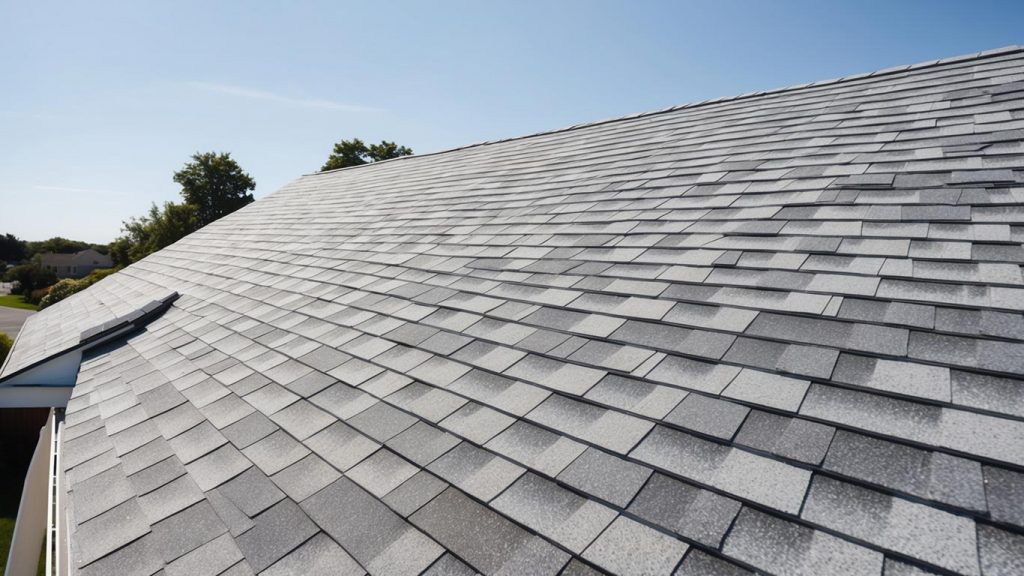
How a cool roof works in simple terms
Reflective roofs use bright, clean surfaces and stable polymers to reflect a large percentage of solar energy. Two metrics explain performance:
- Solar Reflectance: How much sunlight the roof reflects. Higher is better. Thermal Emittance: How easily the roof releases heat. Higher is better.
On a typical black roof, reflectance can be 0.05–0.10. On a white cool roof, it can be 0.70–0.90 when new. Even after weathering, quality coatings and membranes maintain strong performance. In practice, that can cut roof surface temperatures by 40–60°F on a clear summer day in Rockwall.
Homes in Rockwall: when a cool roof makes sense
North Texas homes with low-slope sections, aging three-tab shingles, or large, sun-exposed roof planes gain the most. Homes with ductwork in the attic see even larger savings because attic temperatures drop. SCR, Inc. often sees 10–20 percent cooling demand reductions after a reflective upgrade on houses with adequate attic insulation and sealed duct systems.
Anecdote from recent work near Buffalo Creek: a one-story brick home with a low-slope rear addition had afternoon indoor temperature swings and AC short cycling. After a reflective TPO over existing decking and added polyiso insulation, attic temps fell by 25–30°F during peak sun. The homeowner noticed steadier room temperatures and a quieter AC cycle within the first week.
For pitched roofs, cool color shingles rated by the Cool Roof Rating Council are a practical option. They look like standard architectural shingles but use reflective granules. They do not run as cool as bright-white commercial membranes, yet they still reduce heat gain.
Commercial properties around Lake Ray Hubbard
Rockwall is a growing commercial hub with warehouses, retail centers, and offices lining the I-30 corridor and The Harbor area. Large, low-slope roofs are perfect candidates. Black asphalt and EPDM absorb up to 90 percent of solar heat. That translates into higher interior loads and faster membrane aging.
SCR, Inc. installs commercial cool roof systems across Rockwall 75087 and the lakefront area in 75032. The crews are frequently seen near The Harbor Rockwall and along the I-30 corridor. From retail roofs in Northshore to office parks in Buffalo Creek, energy efficient roofing improves comfort and cuts peak demand. Warehouses with rooftop AC units benefit as reflective surfaces reduce ambient temperatures around RTUs, extending component life and lowering maintenance calls.
Materials that deliver in North Texas
Material choice depends on roof type, condition, and budget. Each has strengths:
- TPO and PVC membranes: Factory-produced white membranes with welded seams. They offer high reflectivity and cleanability. Good for new installs or full replacements. Reinforced TPO stands up well to foot traffic in service areas. Silicone and acrylic coatings: Field-applied over sound substrates to restore and cool an existing roof. Silicone resists ponding water and UV very well. Acrylic can be cost-effective where drainage is adequate. Standing seam metal with cool coatings: Durability plus reflective paint systems. With insulation upgrades, metal performs well and lasts decades.
In restoration projects, SCR, Inc. uses high-solids silicone coatings to create a seamless barrier that handles UV and intermittent ponding. On replacements, reinforced TPO membranes are chosen for weld quality and heat performance. For buildings that suffer thermal shock and UV damage, a reflective assembly reduces movement and stress at seams and penetrations.
The science, kept short and clear
Reflectivity reduces the heat entering the roof. Emittance releases the heat that does get in. Add insulation, and the deck sees less temperature swing, which protects the structure and improves indoor comfort. SCR, Inc. frequently pairs reflective membranes with polyisocyanurate (polyiso) boards for a stronger total building envelope. On some commercial roofs, expanded polystyrene (EPS) can help re-slope areas that trap water.
Sealants, flashing, scuppers, and seam tape matter as much as the membrane. A reflective roof that leaks is still a failed system. Proper priming, compatible coatings, and attention to penetrations around RTUs, solar panel mounts, and vents keep the system tight.
Where cool roofs shine, and where they do not
Cool roofs shine on buildings with large sun exposure, high AC use, and low-slope configurations. They are also strong on buildings affected by the Urban Heat Island effect around busy commercial districts.
There are edge cases. Homes with heavy winter heating needs in cloudy climates may see mixed results, but Rockwall’s climate is dominated by long, hot summers. Another case is shaded roofs under mature trees. Reflectivity still helps, yet the energy savings are smaller. Dirt buildup can reduce reflectivity over time; washable surfaces and maintenance keep numbers strong. In hail-prone zones, impact resistance matters. Membrane thickness, cover boards, and stronger flashing details help resist damage.
Typical savings and ROI ranges in Rockwall
Actual savings depend on roof size, insulation, orientation, and HVAC efficiency. On commercial buildings near Lake Ray Hubbard and the I-30 corridor, SCR, Inc. often sees cooling energy reductions in the 10–30 percent range after a cool roof system. On homes, the range is closer to 8–20 percent when combined with attic air sealing and proper ventilation.
Coating restorations tend to cost less upfront and deliver a faster payback, especially for sound roofs with localized repairs. Full replacements with TPO or PVC have higher first costs but longer warranties and stronger durability. Many clients see a two to five year simple payback on coatings and a five to ten year payback on full membrane systems, assuming current utility rates and standard usage.
Practical signs your building is a strong candidate
If a warehouse or retail center shows thermal shock cracking, UV chalking, or soft seams around penetrations, reflectivity with a reinforcement layer can extend life while cutting temperatures. If AC units cycle hard every afternoon and struggle to hold setpoint, reducing rooftop heat is a quick win. Infrared thermal cameras can identify hot spots and wet insulation under the deck. SCR, Inc. offers a free Thermal Roof Inspection to pinpoint those areas and estimate savings.
Product and brand considerations
SCR, Inc. installs certified systems from major manufacturers to match building needs. For many projects, GAF and Mule-Hide products provide dependable performance with strong warranty backing. For high-end PVC performance, Duro-Last’s prefabricated approach reduces field seams and delivers consistent quality across large areas. Carlisle SynTec also offers robust TPO and PVC options for complex roofs with multiple penetrations.
Where reflective roof coatings make sense, elastomeric systems with silicone membranes resist UV and ponding. Acrylic coatings are useful on higher-slope areas where water drains well. Primer selection, seam reinforcement, and flashing details must align with each substrate, whether it is metal, modified bitumen, or aged single-ply.
The Rockwall advantage: local context matters
Rockwall’s setting on the eastern shore of Lake Ray Hubbard means high sun and strong reflections off the water during peak hours. Roofs at The Harbor and along open parking areas heat quickly. The microclimate pushes rooftop temperatures higher than inland suburbs at times. SCR, Inc. accounts for that with higher reflectance targets and added insulation where budgets allow. The company serves Rockwall, Fate, and Heath, with regular work across zip codes 75087 and 75032. Crews also support neighboring areas such as Rowlett, Royse City, Forney, Terrell, Wylie, Garland, and Greenville.
A quick homeowner comparison
- Attic-focused upgrades: If a home has a standard pitched roof and poor attic insulation, adding R-value and sealing bypasses may beat any roofing change on cost per dollar saved. A cool roof still helps, but insulation often comes first. Low-slope additions: Cool membranes or coatings on flat additions pay off quickly because those sections see the highest heat load. Curb appeal concerns: Cool color shingles maintain a traditional look with improved reflectivity. They are a strong middle ground for HOA-sensitive neighborhoods like Stone Creek or Breezy Hill.
A quick commercial decision path
- If the membrane is aged yet intact: A silicone restoration with reinforcement around seams can extend life 10–15 years while cutting cooling costs. If the roof is near end of life or holds water: A full TPO or PVC replacement with added polyiso and re-sloping solves heat and drainage together. If RTUs are failing early: Lower rooftop temperatures around the units reduce mechanical stress. That can extend RTU life and reduce service calls in peak months.
Real numbers to watch
Ask about initial and aged solar reflectance and thermal emittance values, not just the new, lab-fresh numbers. Check CRRC ratings where available. Confirm whether the warranty covers reflectivity retention and ponding water. On coatings, confirm dry film thickness and whether the spec calls for fabric reinforcement at seams and penetrations. On membranes, look for mechanical fastening patterns, perimeter securement, and details around scuppers, drains, and parapets.
What SCR, Inc. brings to the table
SCR, Inc. is a local, BBB-accredited contractor with crews trained on energy efficient roofing and cool roof systems. The team includes former insurance adjusters who understand hail and wind claims. For HVAC overlap on rooftop units, the company carries NATE-certified expertise. Installations include CRRC-rated and Energy Star certified options, including Duro-Last, GAF, Mule-Hide, Carlisle, and Conklin where appropriate.
For high-value commercial sites, SCR, Inc. offers NDL warranties through factory-certified programs on TPO and PVC systems. The company is a member of The Good Contractors List with a $10,000 quality guarantee. That is rare assurance in roofing and gives property owners added confidence in Rockwall’s busy market.
What to expect during a cool roof project
The process starts with a thermal and moisture inspection. Infrared thermal cameras help locate trapped moisture and insulation gaps. If the roof is a restoration candidate, crews handle substrate repairs, clean and prime the surface, reinforce seams, and apply the coating to the specified dry film thickness. If replacement is best, SCR, Inc. removes failed materials, installs polyiso board, lays and secures the membrane, and heat welds seams for a continuous surface. Penetrations around RTUs, vents, and solar mounts receive custom flashing. Edges and scuppers are sealed, and drains are tested under water flow.
On active retail sites near The Harbor or the I-30 corridor, the team stages work to reduce disruption, schedules noisy steps outside peak hours, and maintains clean, safe access for tenants and shoppers.
Energy Efficient Roofing FAQ
Does a cool roof really lower the A/C bill in Rockwall?
Yes. In this climate, reflective roofs often reduce cooling energy use by 10–30 percent on commercial buildings and 8–20 percent on homes with proper attic insulation and duct sealing. Results vary by roof area, insulation, and AC efficiency.
What is the ROI on a reflective coating versus a full replacement?
Coating restorations usually have the faster payback, in the two to five year range, if the existing roof is sound. Full replacements cost more up front but can last longer and deliver stronger leak protection. Many owners choose replacement when water intrusion or structural concerns exist.
Are there local or federal incentives for energy efficient roofing?
Programs change over time. Some utility rebates and federal deductions may apply to insulation improvements or certain roofing assemblies. SCR, Inc. can review current options for Rockwall projects before work begins.
Will a white roof get dirty and lose performance?
Dust and pollen accumulate on any roof. Quality membranes and silicone or acrylic coatings can be cleaned to recover reflectivity. Maintenance plans that include periodic washing preserve energy savings.
Does a cool roof work with solar panels?
Yes. Solar panels actually benefit from cooler rooftop temperatures, since PV output drops as panels heat up. Reflective roofs make service access easier and keep the area around racking cooler.
How does hail affect cool roofs?
Hail is a North Texas reality. Impact resistance depends on membrane thickness, cover boards, and substrate condition. SCR, Inc. specifies assemblies with stronger impact ratings where hail risk is common and helps owners with insurance claim documentation after events.
Service details for Rockwall businesses
Commercial cool roof systems in Rockwall, TX deliver real results for warehouses, office complexes, and retail roofs. SCR, Inc. uses elastomeric coating systems, silicone membranes, and reinforced TPO or PVC to address UV damage, thermal shock, and ponding water. Polyiso board boosts thermal performance, while correct scuppers, flashing, seam tape, and primers secure the envelope. The company supports properties near Lake Ray Hubbard, the Rockwall County Courthouse, Harry Myers Park, and San Jacinto Plaza. Nearby service areas include Rowlett, Royse City, Forney, Terrell, Wylie, Garland, and Greenville. Projects often occur in The Harbor, Shores on Lake Ray Hubbard, Chandlers Landing, Northshore, Stone Creek, Breezy Hill, and Buffalo Creek.
Next steps: simple, low-pressure, data-driven
Request a free Thermal Roof Inspection. SCR, Inc. will map heat loss with infrared imaging, measure roof conditions, and provide a clear report. The team will explain whether a reflective coating restoration, a TPO or PVC replacement, or a cool color shingle upgrade makes the most sense. The goal is straightforward: a cooler building, longer roof life, and lower energy costs under North Texas sun.
Proudly serving commercial property owners in Rockwall 75087 and the surrounding 75032 lakefront communities, SCR, Inc. stands behind every project as a member of The Good Contractors List and offers brand-backed warranties through GAF, Duro-Last, Carlisle, Mule-Hide, and other trusted manufacturers.
Beat the heat before the next triple-digit stretch. Schedule your free energy audit and quote, and see how a proven cool roof system can change your building’s performance this summer.
SCR, Inc. General Contractors provides roofing, remodeling, and insurance recovery services in Rockwall, TX. As a family-owned company, we handle wind and hail restoration, residential and commercial roofing, and complete construction projects. Since 1998, our team has helped thousands of property owners recover from storm damage and rebuild with reliable quality. Our background in insurance claims gives clients accurate estimates and clear communication throughout the process. Contact SCR for a free inspection or quote today.
SCR, Inc. General Contractors
440 Silver Spur Trail
Rockwall,
TX
75032,
USA
Phone: (972) 839-6834
Website: https://scr247.com/, Storm damage roof repair
Map: View on Google Maps
Social Media: Yahoo Local